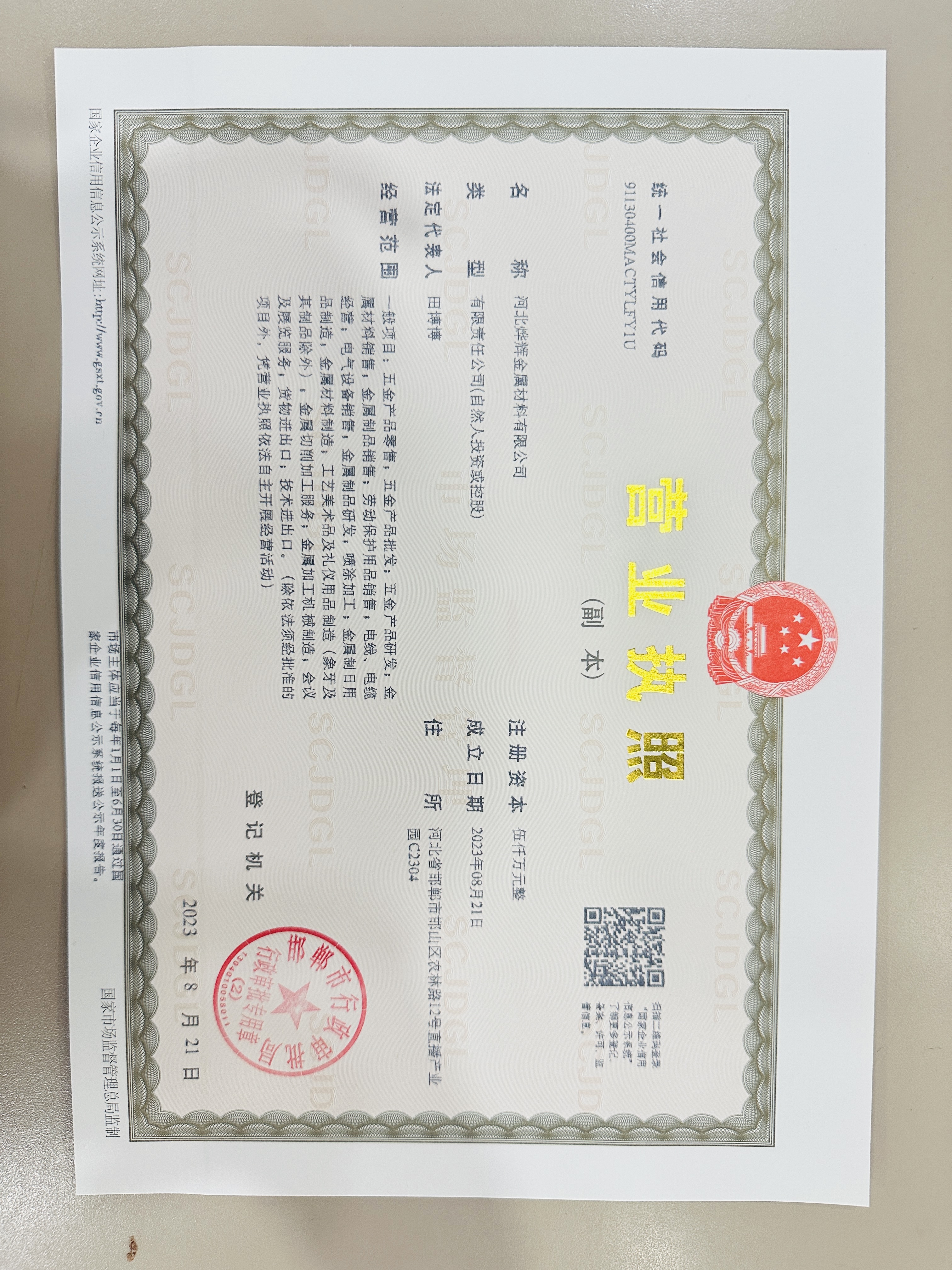
Welcome to HEBEI YEHUI METAL MATERIALS CO., LTD.


Non-oriented Silicon Steel: Advanced Materials for Efficient Electrical and Industrial Applications
Release time:
2026-05-18 17:17
Best Non-oriented Silicon Steel customize offers high-quality, precision-engineered, and durable steel solutions for electrical and industrial applications
Non-oriented silicon steel (NO steel) is a critical material in the electrical and industrial sectors, renowned for its superior magnetic properties, low core loss, and versatility in various applications. As the demand for energy-efficient motors, transformers, and generators grows, non-oriented silicon steel has become the preferred choice for manufacturers seeking high-performance and reliable solutions. Its ability to maintain uniform magnetic properties in all directions makes it ideal for rotating machinery, providing enhanced efficiency and reducing energy losses in modern electrical systems.
Manufactured through precise alloying of silicon with iron, non-oriented silicon steel undergoes advanced processing techniques including cold rolling, annealing, and coating to optimize its magnetic performance. The silicon content improves electrical resistivity and reduces hysteresis losses, while specialized coatings minimize eddy current losses, further enhancing efficiency. This combination of properties ensures that NO steel is not only effective in standard electrical applications but also suitable for demanding industrial environments where performance consistency and reliability are crucial.
One of the key advantages of non-oriented silicon steel is its ability to operate efficiently under alternating magnetic fields, making it essential for high-speed motors, generators, and power transformers. Its isotropic magnetic behavior ensures that performance remains stable regardless of the direction of magnetization, a critical factor in reducing energy waste and maintaining optimal machine efficiency. The low core loss characteristic directly translates into reduced heat generation, extended equipment lifespan, and lower operational costs for industrial facilities.
Customization and versatility are additional strengths of non-oriented silicon steel. Manufacturers can produce sheets of various thicknesses, widths, and grades to meet specific requirements for different electrical machines and industrial equipment. Whether used in small precision motors, large industrial generators, or cutting-edge renewable energy systems, NO steel provides consistent performance, reliability, and adaptability. Advanced quality control measures, including magnetic testing and surface inspections, ensure that every batch meets stringent industry standards.
In addition to performance, non-oriented silicon steel plays a significant role in sustainability and energy conservation. Its high efficiency reduces energy consumption in electrical devices, contributing to lower greenhouse gas emissions and supporting global energy-saving initiatives. By improving the operational efficiency of motors and transformers, NO steel helps industries achieve both economic and environmental benefits. Furthermore, modern production methods increasingly emphasize eco-friendly practices, such as recycling scrap steel and optimizing energy use in manufacturing, reinforcing the material’s sustainability credentials.
The global demand for non-oriented silicon steel is growing rapidly, driven by expanding industrialization, increasing electrification, and the transition to renewable energy sources. Manufacturers in the automotive, electrical, and renewable energy sectors rely heavily on NO steel for critical components in electric vehicles, wind turbines, and smart grid infrastructure. Its role in energy-efficient technology makes it indispensable for companies seeking to maintain competitive advantages while complying with stricter environmental regulations.
Innovation continues to shape the evolution of non-oriented silicon steel. Advances in alloy composition, surface treatment, and processing technologies are enhancing magnetic properties, reducing losses, and enabling thinner, lighter sheets without compromising strength. These improvements allow for more compact, efficient, and reliable electrical machines, supporting the development of next-generation industrial equipment and clean energy solutions. Collaborative research between material scientists, electrical engineers, and equipment manufacturers is driving further optimization, ensuring that NO steel remains at the forefront of industrial and electrical innovation.
In conclusion, non-oriented silicon steel is a cornerstone material for modern electrical and industrial applications. Its unique combination of isotropic magnetic properties, low core loss, durability, and adaptability makes it essential for energy-efficient motors, transformers, and generators. By improving performance, reducing operational costs, and supporting sustainability initiatives, NO steel continues to play a vital role in advancing industrial productivity and energy-efficient technologies. As industries worldwide pursue higher efficiency and environmental responsibility, non-oriented silicon steel remains a key material driving innovation, reliability, and sustainable growth across multiple sectors.
Related News
Non-oriented Silicon Steel: Advanced Materials for Efficient Electrical and Industrial Applications
Best Non-oriented Silicon Steel customize offers high-quality, precision-engineered, and durable steel solutions for electrical and industrial applications
Innovative Applications of PPGI Steel Coil in Modern Architecture Understanding PPGI Steel Coil: A Game Changer in Construction PPGI, or Pre-Painted Galvanized Iron, is a material that has gained significant traction in the construction industry due to its excellent durability and aesthetic appeal. The application of PPGI steel coil in modern architecture is not just a trend; it is a revolution in
Understanding Galvalume Steel Coil: A Versatile Material for Modern Applications
Galvalume Steel Coil is a highly versatile material that plays a crucial role in the metalworking and construction sectors. Composed of a combination of zinc and aluminum, this type of steel coil is designed to deliver exceptional durability and superior corrosion resistance. The unique coating of Galvalume, typically comprising 55% aluminum, 43.4% zinc, and 1.6% silicon, provides an effective bar
The Comprehensive Guide to the Process of Manufacturing Galvalume Steel Sheets
The Process of Manufacturing Galvalume Steel Sheets Explained Table of Contents 1. Introduction to Galvalume Steel Sheets 2. What is Galvalume Steel? 3. Advantages of Galvalume Steel Sheets 4. The Manufacturing Process of Galvalume Steel Sheets 4.1 Raw Materials Used 4.2 The Hot-Dipping Process 4.3 Coating Formation on Steel Sheets
Understanding Galvanized Steel Corrugated Sheets: Benefits and Applications
Galvanized steel corrugated sheets are an essential component in various industrial and construction applications, thanks to their durability and resistance to corrosion. These sheets are made from steel that has been coated with a layer of zinc through a process known as galvanization. This protective layer significantly enhances the steel's longevity, making it an ideal choice for numerous envir
Top Advantages of Using Galvanized Steel Coil Over Other Materials
Top Advantages of Using Galvanized Steel Coil Over Other Materials In the realm of construction, manufacturing, and automotive industries, the choice of materials can significantly impact the durability and longevity of products. One material that stands out for its exceptional performance is galvanized steel coil. This article delves into the key advantages of using galvanized steel coil over oth
10% DISCOUNT FOR NEW CUSTOMERS
HEBEI YEHUI METAL MATERIALS CO., LTD.


Copyright © HEBEI YEHUI METAL MATERIALS CO., LTD.