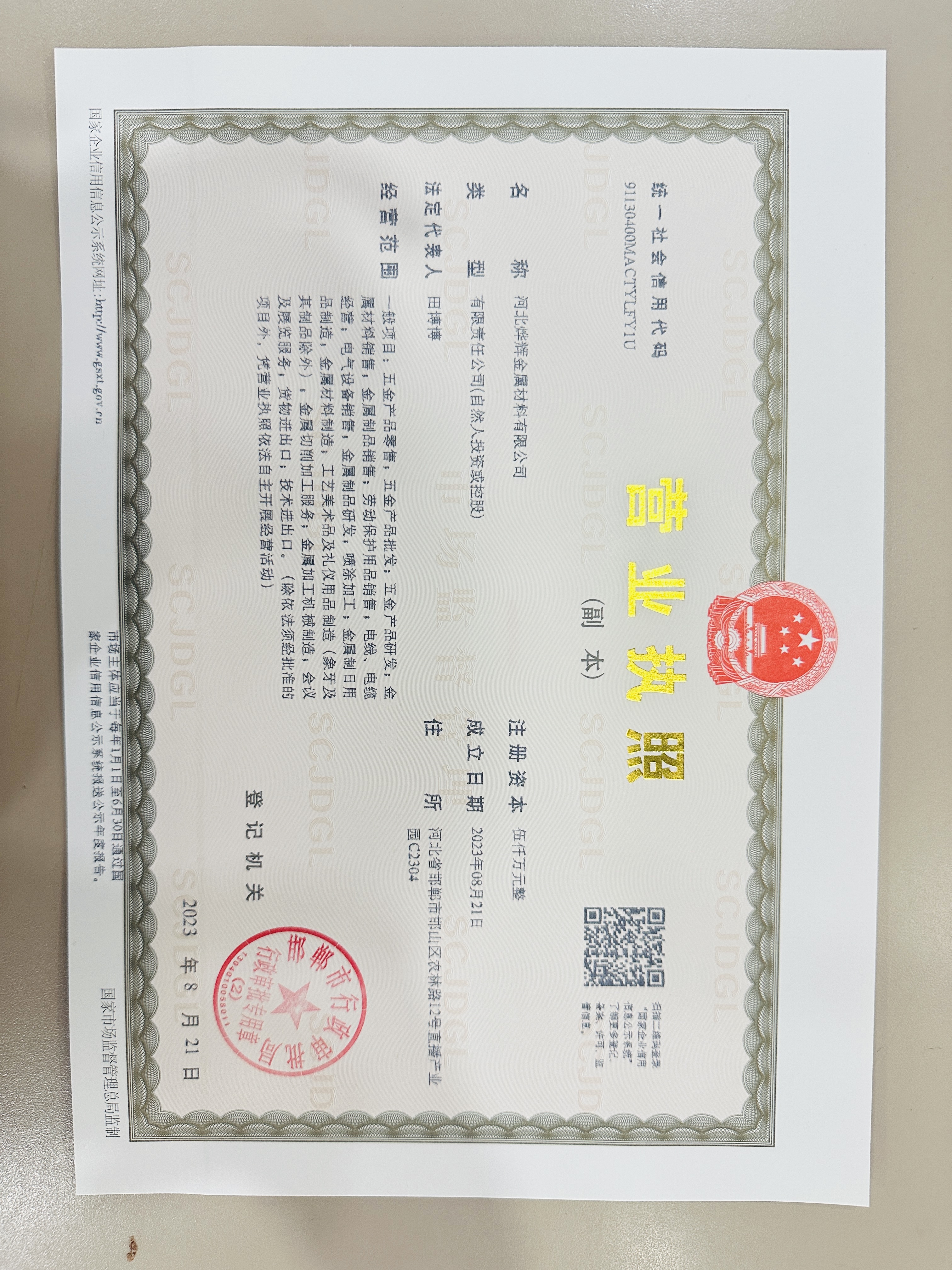
Welcome to HEBEI YEHUI METAL MATERIALS CO., LTD.

The Comprehensive Guide to the Process of Manufacturing Galvalume Steel Sheets
Release time:
2026-05-10 09:50
The Process of Manufacturing Galvalume Steel Sheets Explained Table of Contents 1. Introduction to Galvalume Steel Sheets 2. What is Galvalume Steel? 3. Advantages of Galvalume Steel Sheets 4. The Manufacturing Process of Galvalume Steel Sheets 4.1 Raw Materials Used 4.2 The Hot-Dipping Process 4.3 Coating Formation on Steel Sheets

The Process of Manufacturing Galvalume Steel Sheets Explained
Table of Contents
- 1. Introduction to Galvalume Steel Sheets
- 2. What is Galvalume Steel?
- 3. Advantages of Galvalume Steel Sheets
- 4. The Manufacturing Process of Galvalume Steel Sheets
- 4.1 Raw Materials Used
- 4.2 The Hot-Dipping Process
- 4.3 Coating Formation on Steel Sheets
- 4.4 The Annealing Process
- 4.5 Quality Control Measures
- 5. Applications of Galvalume Steel Sheets
- 6. Maintenance and Care for Galvalume Steel Sheets
- 7. The Future of Galvalume Steel Sheets
- 8. Frequently Asked Questions (FAQs)
- 9. Conclusion
1. Introduction to Galvalume Steel Sheets
Galvalume steel sheets have become a staple in various industries due to their exceptional properties. Comprised of a unique coating of aluminum and zinc, Galvalume offers unparalleled protection against corrosion and is particularly favored in environments prone to moisture. Understanding the manufacturing process of Galvalume steel sheets is essential for professionals in the metallurgy and energy sectors, as it sheds light on how these materials are produced and their potential applications.
2. What is Galvalume Steel?
Galvalume steel is a carbon steel sheet that has been coated with a mixture of 55% aluminum, 43.4% zinc, and 1.6% silicon. This alloyed coating gives the steel unique advantages over traditional galvanized steel, including improved corrosion resistance, better heat reflectivity, and longer service life. Its distinct composition allows Galvalume to perform exceptionally well in harsh weather conditions, making it an ideal choice for roofing, siding, and various structural applications.
3. Advantages of Galvalume Steel Sheets
The benefits of using Galvalume steel sheets are numerous:
3.1 Corrosion Resistance
The aluminum-zinc coating provides a robust barrier against rust and corrosion, extending the life of the material significantly.
3.2 Aesthetic Appeal
Galvalume sheets have a bright, lustrous finish that enhances the visual appeal of structures, making them popular in architectural applications.
3.3 Thermal Reflectivity
With high thermal reflectivity, Galvalume sheets help reduce the heat island effect in urban areas, contributing to energy efficiency.
3.4 Cost-Effectiveness
While the initial cost may be higher than traditional galvanized steel, the long-term savings from reduced maintenance and replacement costs make Galvalume a cost-effective solution.
4. The Manufacturing Process of Galvalume Steel Sheets
Understanding the manufacturing process is crucial for those in industries that utilize Galvalume steel sheets. The following sections break down the intricate steps involved in creating these high-performance materials.
4.1 Raw Materials Used
The primary raw material for Galvalume steel sheets is cold-rolled steel, which is processed to achieve the desired thickness and mechanical properties. The aluminum and zinc used in the coating also come from high-purity sources to ensure optimal performance.
4.2 The Hot-Dipping Process
The manufacturing process begins with the **hot-dipping** of cold-rolled steel sheets in a molten bath of aluminum-zinc alloy. This process not only coats the steel but also allows for the formation of a metallurgical bond between the coating and the steel substrate, enhancing durability.
4.3 Coating Formation on Steel Sheets
During cooling, the aluminum and zinc react with the steel surface, resulting in a strong, intermetallic layer. This layer is what gives Galvalume its exceptional corrosion resistance. The coating thickness can be controlled to meet specific requirements, making it versatile for various applications.
4.4 The Annealing Process
Post-coating, the Galvalume sheets undergo an **annealing process**. This heat treatment modifies the structure of the steel, improving its formability and mechanical properties. The controlled heating and cooling cycles ensure that the desired characteristics are achieved.
4.5 Quality Control Measures
Quality control is a critical component of the manufacturing process. Each batch of Galvalume steel sheets undergoes rigorous testing for adhesion, coating thickness, and surface quality. These measures ensure that the final product meets industry standards and customer specifications.
5. Applications of Galvalume Steel Sheets
Galvalume steel sheets find extensive use across various sectors due to their durability and aesthetic properties.
5.1 Roofing
One of the most common applications is in roofing systems. Galvalume sheets provide exceptional weather resistance and are available in various colors and styles.
5.2 Siding
In commercial and residential buildings, Galvalume sheets are used as siding material due to their visual appeal and protection against the elements.
5.3 Industrial Applications
Galvalume is widely used in manufacturing industrial equipment, storage tanks, and agricultural buildings where corrosion resistance is paramount.
6. Maintenance and Care for Galvalume Steel Sheets
Although Galvalume steel sheets are low-maintenance, proper care can further extend their lifespan.
6.1 Regular Inspections
Conducting regular inspections for signs of damage or wear can help identify issues before they escalate.
6.2 Cleaning
Routine cleaning to remove dirt and debris will help maintain the sheets' aesthetic appeal and performance. Simple soap and water typically suffice.
6.3 Avoiding Damage
Preventing physical damage during installation and maintenance activities is crucial for preserving the integrity of the coating.
7. The Future of Galvalume Steel Sheets
As industries strive for more sustainable and durable materials, the future of Galvalume steel sheets looks promising. Innovations in coating technologies and manufacturing processes will likely enhance performance characteristics, making Galvalume an even more attractive option for construction and industrial applications.
8. Frequently Asked Questions (FAQs)
8.1 What is the lifespan of Galvalume steel sheets?
Galvalume steel sheets can last 20 to 30 years, depending on environmental conditions and maintenance.
8.2 Can Galvalume steel sheets be painted?
Yes, Galvalume sheets can be painted, but it's essential to use appropriate primers to ensure adhesion.
8.3 Are Galvalume sheets suitable for coastal areas?
Absolutely, Galvalume sheets are specifically designed to withstand harsh environments, including coastal areas.
8.4 How do Galvalume sheets compare to galvanized steel?
Galvalume offers better corrosion resistance and thermal reflectivity compared to traditional galvanized steel.
8.5 Is Galvalume recyclable?
Yes, Galvalume steel sheets are 100% recyclable, making them an environmentally friendly choice.
9. Conclusion
In summary, the process of manufacturing Galvalume steel sheets is a meticulous and sophisticated procedure that results in a highly durable and aesthetically pleasing product. With significant advantages in corrosion resistance, thermal reflectivity, and cost-effectiveness, Galvalume steel sheets are positioned to remain a favored choice in various applications. As industries evolve and seek sustainable solutions, the future of Galvalume looks bright, ensuring that it will continue to play a crucial role in modern construction and industrial applications. Understanding this manufacturing process not only highlights the importance of quality control but also the remarkable characteristics that make Galvalume steel sheets a top choice for professionals in metallurgy and energy sectors.
Related News
The Comprehensive Guide to the Process of Manufacturing Galvalume Steel Sheets
The Process of Manufacturing Galvalume Steel Sheets Explained Table of Contents 1. Introduction to Galvalume Steel Sheets 2. What is Galvalume Steel? 3. Advantages of Galvalume Steel Sheets 4. The Manufacturing Process of Galvalume Steel Sheets 4.1 Raw Materials Used 4.2 The Hot-Dipping Process 4.3 Coating Formation on Steel Sheets
Understanding Galvanized Steel Corrugated Sheets: Benefits and Applications
Galvanized steel corrugated sheets are an essential component in various industrial and construction applications, thanks to their durability and resistance to corrosion. These sheets are made from steel that has been coated with a layer of zinc through a process known as galvanization. This protective layer significantly enhances the steel's longevity, making it an ideal choice for numerous envir
Top Advantages of Using Galvanized Steel Coil Over Other Materials
Top Advantages of Using Galvanized Steel Coil Over Other Materials In the realm of construction, manufacturing, and automotive industries, the choice of materials can significantly impact the durability and longevity of products. One material that stands out for its exceptional performance is galvanized steel coil. This article delves into the key advantages of using galvanized steel coil over oth
PPGI (Pre-Painted Galvanized Iron) steel coil is a versatile material widely utilized in the metallurgy and energy industries, particularly for applications requiring corrosion resistance and aesthetic appeal. The process of producing PPGI steel involves the galvanization of steel coils followed by the application of a protective coating, typically consisting of polyester, silicon modified polyest
Exploring the Unique Properties of Galvalume Steel Coil: The Ultimate Guide
Exploring the Unique Properties of Galvalume Steel Coil Table of Contents 1. Introduction to Galvalume Steel Coil 2. Composition of Galvalume Steel Coil 3. Key Benefits of Galvalume Steel Coil 4. Common Applications of Galvalume Steel Coil 5. Galvalume vs. Other Steel Coatings 6. Maintenance Tips for Galvalume Steel Coil 7. Environmental Impact of Galvalume Steel 8
Understanding Galvalume Steel Sheets: A Comprehensive Guide for Professionals
Galvalume steel sheets are a type of coated steel characterized by a blend of aluminum and zinc, which provides enhanced durability and corrosion resistance compared to traditional galvanized steel. The coating typically consists of 55% aluminum, 43.4% zinc, and 1.6% silicon. This unique composition creates a barrier that effectively protects the underlying steel, extending its lifespan significan
10% DISCOUNT FOR NEW CUSTOMERS
HEBEI YEHUI METAL MATERIALS CO., LTD.


Copyright © HEBEI YEHUI METAL MATERIALS CO., LTD.