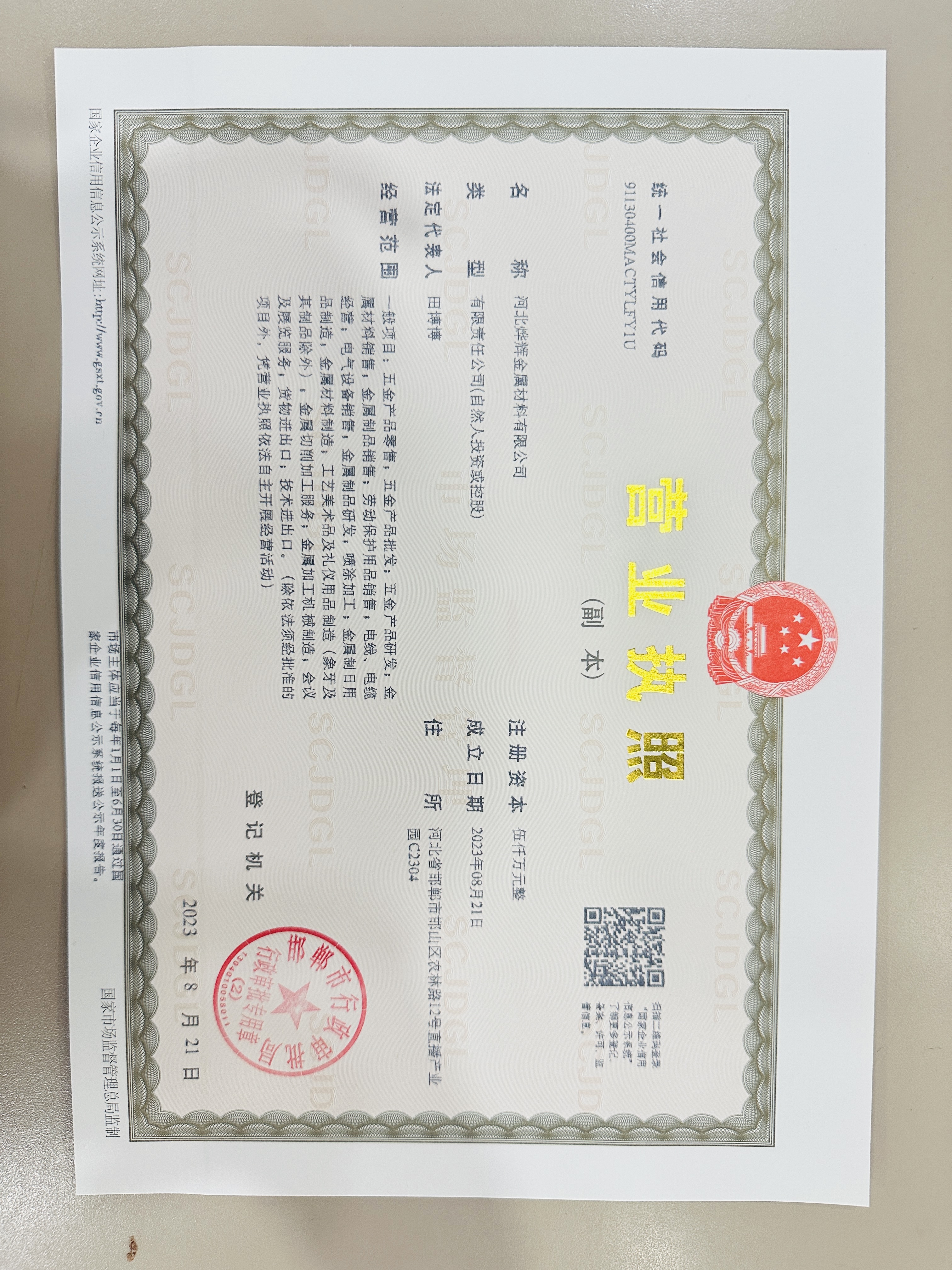
Welcome to HEBEI YEHUI METAL MATERIALS CO., LTD.

Exploring the Versatility of Tin Mill Black Plate in Modern Manufacturing
Release time:
2025-12-08 12:50
Exploring the Versatility of Tin Mill Black Plate in Modern Manufacturing Table of Contents 1. Introduction to Tin Mill Black Plate 2. Key Properties of Tin Mill Black Plate 3. Manufacturing Process of Tin Mill Black Plate 4. Diverse Applications of Tin Mill Black Plate in Modern Industry 4.1 Packaging Solutions 4.2 Automotive Industry Use

Exploring the Versatility of Tin Mill Black Plate in Modern Manufacturing
Table of Contents
- 1. Introduction to Tin Mill Black Plate
- 2. Key Properties of Tin Mill Black Plate
- 3. Manufacturing Process of Tin Mill Black Plate
- 4. Diverse Applications of Tin Mill Black Plate in Modern Industry
- 5. Advantages of Using Tin Mill Black Plate
- 6. Sustainability and Environmental Impact
- 7. Future Trends in Tin Mill Black Plate Usage
- 8. Frequently Asked Questions (FAQs)
- 9. Conclusion
1. Introduction to Tin Mill Black Plate
Tin Mill Black Plate (TMBP) is an essential material in modern manufacturing, widely recognized for its unique properties and versatility. It is mainly produced from cold-rolled steel, which is then processed through a series of specialized techniques, including annealing and tempering. As industries evolve and demand for innovative materials rises, TMBP stands out as a robust solution for various applications. This article delves deep into the characteristics, manufacturing processes, applications, and advantages of Tin Mill Black Plate, highlighting its significance in contemporary manufacturing.
2. Key Properties of Tin Mill Black Plate
Tin Mill Black Plate possesses several intrinsic properties that make it a preferred choice in many industrial applications.
2.1 Strength and Durability
One of the standout features of TMBP is its impressive strength and durability. This material can withstand significant stress and pressure, making it ideal for products that require longevity and resilience.
2.2 Corrosion Resistance
Tin Mill Black Plate has inherent resistance to corrosion, primarily due to its tin coating. This property is critical for applications in humid or moist environments, ensuring that products maintain their structural integrity over time.
2.3 Formability
Another vital property of TMBP is its excellent formability. It can be easily shaped and molded into various configurations without compromising its strength, allowing for creative designs in manufacturing.
2.4 Surface Finish
The smooth surface finish of Tin Mill Black Plate enhances its aesthetic appeal and functionality, making it suitable for high-quality applications in industries such as packaging and automotive manufacturing.
3. Manufacturing Process of Tin Mill Black Plate
The production of Tin Mill Black Plate involves several key steps that ensure its quality and performance.
3.1 Material Selection
The process begins with selecting high-quality cold-rolled steel as the base material. This choice is crucial, as it directly impacts the end product's characteristics.
3.2 Annealing
Once the steel is prepared, it undergoes an annealing process, which involves heating and cooling to relieve internal stresses and enhance the material's ductility.
3.3 Coating
The next step involves applying a tin coating to the steel. This coating not only provides corrosion resistance but also improves the surface finish, contributing to the overall aesthetics of the final product.
3.4 Tempering and Finishing
Finally, the Tin Mill Black Plate is tempered and finished to achieve the desired thickness, dimensions, and surface quality. This meticulous process ensures that the material meets the strict standards required for various applications.
4. Diverse Applications of Tin Mill Black Plate in Modern Industry
Tin Mill Black Plate's versatility enables its use across several industries, each benefiting from its unique properties.
4.1 Packaging Solutions
In the packaging industry, TMBP is extensively utilized for manufacturing cans, containers, and other packaging materials. Its strength and corrosion resistance enable it to protect contents effectively while maintaining an appealing appearance.
4.2 Automotive Industry Use
The automotive sector also relies on Tin Mill Black Plate for various components such as fuel tanks, body panels, and structural elements. The material's durability and formability make it ideal for meeting the rigorous demands of modern vehicles.
4.3 Electrical and Electronics Industry
In the electrical and electronics field, TMBP is used in manufacturing enclosures, connectors, and other components. Its excellent electrical conductivity, combined with its protective properties, makes it an indispensable material in this sector.
5. Advantages of Using Tin Mill Black Plate
The benefits of utilizing Tin Mill Black Plate extend beyond its fundamental properties.
5.1 Cost-Effectiveness
TMBP offers a cost-effective solution for manufacturers looking for high-quality materials without breaking the bank. Its durability reduces the need for frequent replacements, ultimately saving costs in the long run.
5.2 Customization Potential
The formability of Tin Mill Black Plate allows manufacturers to customize products to meet specific requirements. This flexibility is particularly advantageous in industries where tailored solutions are crucial.
5.3 Enhanced Product Lifespan
Due to its corrosion resistance and strength, products made from TMBP typically enjoy a longer lifespan, which is beneficial for both manufacturers and consumers.
6. Sustainability and Environmental Impact
As industries strive for sustainability, Tin Mill Black Plate shines as an eco-friendly option.
6.1 Recyclability
TMBP is highly recyclable, contributing to reduced waste and energy consumption in the manufacturing process. This trait aligns with global efforts to promote sustainable practices and minimize environmental impact.
6.2 Low Carbon Footprint
The production of Tin Mill Black Plate incorporates energy-efficient methods, which helps maintain a lower carbon footprint compared to other materials.
7. Future Trends in Tin Mill Black Plate Usage
Looking ahead, the demand for Tin Mill Black Plate is expected to grow as industries continue to innovate.
7.1 Advancements in Coating Technology
Future developments in coating technology may enhance the properties of TMBP, making it even more versatile and suitable for a wider range of applications.
7.2 Increased Focus on Sustainability
As manufacturers prioritize sustainability, Tin Mill Black Plate will likely become a go-to material for eco-conscious production, paving the way for more environmentally friendly practices.
8. Frequently Asked Questions (FAQs)
8.1 What is Tin Mill Black Plate used for?
Tin Mill Black Plate is primarily used in packaging, automotive, and electrical industries, where its strength and corrosion resistance are essential.
8.2 How is Tin Mill Black Plate manufactured?
The manufacturing process involves selecting cold-rolled steel, annealing, coating with tin, and tempering to achieve the desired properties.
8.3 Is Tin Mill Black Plate recyclable?
Yes, Tin Mill Black Plate is highly recyclable and contributes to sustainable manufacturing practices.
8.4 What are the advantages of using Tin Mill Black Plate?
Advantages include cost-effectiveness, customization potential, enhanced product lifespan, and environmental sustainability.
8.5 How does Tin Mill Black Plate compare to other materials?
Tin Mill Black Plate offers unique properties such as corrosion resistance and formability, making it suitable for specialized applications where other materials may not perform as well.
9. Conclusion
Tin Mill Black Plate is a remarkable material that plays a crucial role in modern manufacturing. Its unique properties, combined with a versatile manufacturing process, enable wide-ranging applications across various industries. As we move towards a more sustainable future, TMBP stands poised to meet the evolving needs of manufacturers, offering cost-effective and eco-friendly solutions without compromising quality. Embracing Tin Mill Black Plate can significantly enhance product performance while contributing to a sustainable manufacturing landscape.
Related News
Understanding Tin Mill Black Plate: A Key Component in the Metal Industry
Tin Mill Black Plate (TMBP) is an integral product in the metallurgy and steel sectors, specifically related to the production of tinplate and other coated metals. TMBP is essentially a thin sheet of steel that has undergone a series of processes to enhance its practicability and durability. This material typically consists of low-carbon steel and is mainly produced through cold-rolling processes
Among the various materials that have emerged as key players in this sector, Conventional Grain Oriented Silicon Steel (CGO) has established itself as an indispensable component in transformer cores and electrical applications.
Why Tin Mill Black Plate is Essential for Quality Steel Production
Why Tin Mill Black Plate is Essential for Quality Steel Production Understanding Tin Mill Black Plate Tin Mill Black Plate (TMBP) is an essential material in the steel production industry, primarily used for manufacturing tinplate and other coated steel products. As a flat-rolled steel product, TMBP undergoes various processes to achieve the desired thickness and surface quality, making it a key c
Understanding Tin Mill Black Plate: A Key Component in Stainless Steel Production
Tin Mill Black Plate (TMBP) is a type of flat steel product that is primarily used in the manufacturing of tinplate and other coated steel products. The production process involves cold rolling steel sheets to achieve a desired thickness, followed by a series of processes that enhance the material's properties. TMBP is characterized by its high quality and versatility, making it a crucial componen
Exploring the Versatility of Tin Mill Black Plate in Modern Manufacturing
Exploring the Versatility of Tin Mill Black Plate in Modern Manufacturing Table of Contents 1. Introduction to Tin Mill Black Plate 2. Key Properties of Tin Mill Black Plate 3. Manufacturing Process of Tin Mill Black Plate 4. Diverse Applications of Tin Mill Black Plate in Modern Industry 4.1 Packaging Solutions 4.2 Automotive Industry Use
Understanding Tin Free Steel: A Sustainable Alternative in Metallurgy
Tin Free Steel (TFS) is a type of steel that is coated with a thin layer of iron oxide instead of tin, making it a highly desirable alternative in various applications. One of the most important characteristics of Tin Free Steel is its corrosion resistance, which is achieved without the use of tin, a material that can have environmental and health concerns associated with its mining and processing
10% DISCOUNT FOR NEW CUSTOMERS
HEBEI YEHUI METAL MATERIALS CO., LTD.


Copyright © HEBEI YEHUI METAL MATERIALS CO., LTD.