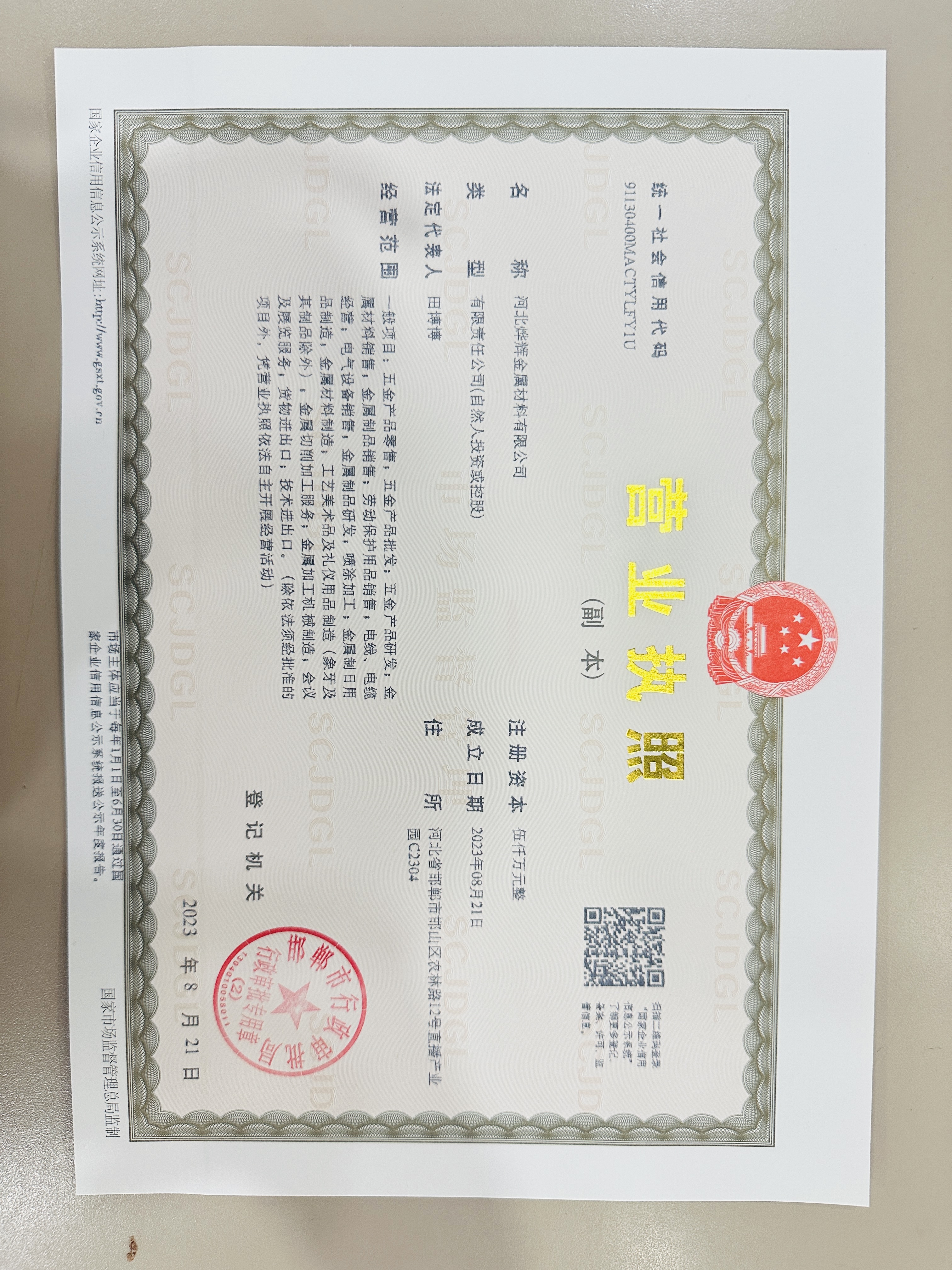
Welcome to HEBEI YEHUI METAL MATERIALS CO., LTD.

Understanding the Comprehensive Manufacturing Process of Galvanized Steel Corrugated Sheets
Release time:
2026-05-24 09:10
Understanding the Comprehensive Manufacturing Process of Galvanized Steel Corrugated Sheets Table of Contents 1. Introduction to Galvanized Steel Corrugated Sheets 2. Raw Materials: The Building Blocks of Galvanized Steel 3. The Manufacturing Process of Galvanized Steel Corrugated Sheets 3.1 Step 1: Steel Production 3.2 Step 2: Hot-Dip Galvanization

Understanding the Comprehensive Manufacturing Process of Galvanized Steel Corrugated Sheets
Table of Contents
- 1. Introduction to Galvanized Steel Corrugated Sheets
- 2. Raw Materials: The Building Blocks of Galvanized Steel
- 3. The Manufacturing Process of Galvanized Steel Corrugated Sheets
- 3.1 Step 1: Steel Production
- 3.2 Step 2: Hot-Dip Galvanization
- 3.3 Step 3: Corrugation Process
- 3.4 Step 4: Cutting and Finishing
- 4. Benefits of Using Galvanized Steel Corrugated Sheets
- 5. Applications of Galvanized Steel Corrugated Sheets
- 6. Maintenance and Care for Galvanized Steel Sheets
- 7. The Future of Galvanized Steel in Construction
- 8. FAQs about Galvanized Steel Corrugated Sheets
- 9. Conclusion
1. Introduction to Galvanized Steel Corrugated Sheets
Galvanized steel corrugated sheets are extensively utilized in construction, agriculture, and various industrial applications. Their popularity stems from their **durability**, **corrosion resistance**, and **versatility**. Understanding the **manufacturing process** of these sheets is crucial for anyone involved in construction, renovation, or design. This article delves deep into the entire process, providing insights into the materials used, the steps involved, and the benefits of utilizing galvanized steel corrugated sheets.
2. Raw Materials: The Building Blocks of Galvanized Steel
The primary raw material for galvanized steel corrugated sheets is **carbon steel**, which is comprised mainly of iron and a small percentage of carbon. The process begins with high-quality steel production, ensuring optimal properties for the final product. In addition to steel, the galvanization process involves the use of **zinc**, which provides the essential protective layer against corrosion.
2.1 The Role of Carbon Steel
Carbon steel is favored for its strength and formability. Different grades of carbon steel can be used, depending on the application requirements. The precise formulation of carbon steel affects the **mechanical properties** such as ductility, tensile strength, and impact resistance, which are critical for the performance of galvanized sheets.
2.2 Zinc Coating: The Key to Longevity
Zinc serves as a critical component in the galvanization process, acting as a protective barrier. The zinc coating prevents moisture and oxygen from reaching the underlying steel, significantly extending the life of the material. The thickness of the zinc layer can be adjusted based on the intended application, further enhancing durability.
3. The Manufacturing Process of Galvanized Steel Corrugated Sheets
The manufacturing process of galvanized steel corrugated sheets involves several complex steps. Each phase is designed to ensure the **quality** and **performance** of the final product.
3.1 Step 1: Steel Production
The journey begins with the production of steel from raw materials. This process typically includes:
- **Iron Ore Extraction**: The key ingredient in steel production is iron ore, which is mined and processed to extract iron.
- **Steelmaking**: The extracted iron is combined with carbon in a blast furnace, creating molten steel. This steel is then cooled and processed into slabs or coils.
- **Quality Control**: At this stage, rigorous testing is conducted to ensure the steel meets industry standards for strength and durability.
3.2 Step 2: Hot-Dip Galvanization
Once the steel is produced, it undergoes hot-dip galvanization, a process that involves:
- **Cleaning**: The steel is thoroughly cleaned to remove any rust, oil, or other contaminants.
- **Fluxing**: A flux solution is applied to prevent oxidation before the steel is immersed in molten zinc.
- **Zinc Coating**: The cleaned steel is dipped into a bath of molten zinc, where the coating adheres to the surface, creating a durable protective layer.
3.3 Step 3: Corrugation Process
Following the galvanization, the flat sheets of galvanized steel are transformed into corrugated sheets through a series of mechanical processes:
- **Roll Forming**: The galvanized steel sheets are passed through a series of rollers that shape them into the desired corrugated profiles.
- **Precision Cutting**: After corrugation, the sheets are cut to size based on specific requirements, maintaining consistent dimensions for various applications.
3.4 Step 4: Cutting and Finishing
The final step involves cutting and finishing the corrugated sheets to ensure they meet client specifications. This includes:
- **Trimming Edges**: Edges are trimmed to prevent sharpness and facilitate easier handling during construction.
- **Surface Treatment**: Additional surface treatments, such as painting or coating, may be applied for aesthetic purposes or further protection against environmental factors.
4. Benefits of Using Galvanized Steel Corrugated Sheets
Galvanized steel corrugated sheets offer numerous advantages, making them a preferred choice for many applications:
- **Corrosion Resistance**: The zinc coating provides a robust defense against rust and corrosion, ensuring longevity.
- **Cost-Effective**: With lower maintenance costs and a long lifespan, galvanized steel sheets represent a wise investment.
- **Lightweight yet Strong**: Their lightweight nature makes them easy to transport and install without compromising structural integrity.
- **Versatile Applications**: These sheets can be used in roofing, siding, fencing, and various industrial applications, showcasing their versatility.
5. Applications of Galvanized Steel Corrugated Sheets
Galvanized steel corrugated sheets are used across different sectors due to their unique properties. Some common applications include:
- **Residential and Commercial Roofing**: Their durability and weather resistance make them ideal for roofing solutions.
- **Agricultural Buildings**: Farmers often use these sheets for barns and storage facilities due to their robustness.
- **Industrial Sheds**: Many industrial applications benefit from the strength and low maintenance of galvanized sheets.
- **Fencing and Wall Cladding**: The aesthetic appeal combined with durability makes them suitable for fencing and wall applications.
6. Maintenance and Care for Galvanized Steel Sheets
To ensure the longevity of galvanized steel corrugated sheets, proper maintenance is essential:
- **Regular Inspections**: Periodic checks for any signs of rust or damage can help catch issues early.
- **Cleaning**: Keeping the sheets clean from debris and contaminants will prevent corrosion.
- **Repairing Damage**: Any scratches or areas where the zinc coating is compromised should be repaired promptly to maintain protection.
7. The Future of Galvanized Steel in Construction
As the construction industry evolves, so does the use of galvanized steel. Innovations in manufacturing processes and material science are paving the way for even more durable and sustainable galvanized steel products. The rise of eco-friendly building practices is also driving the demand for materials like galvanized steel that offer both performance and sustainability.
8. FAQs about Galvanized Steel Corrugated Sheets
What are the main benefits of using galvanized steel corrugated sheets?
Galvanized steel corrugated sheets are known for their **corrosion resistance**, **low maintenance**, **lightweight**, and **versatility**, making them suitable for various applications.
How long do galvanized steel sheets last?
With proper maintenance, galvanized steel sheets can last for several decades, often exceeding 50 years.
Can galvanized steel sheets be painted?
Yes, galvanized steel sheets can be painted, although it is essential to use the right type of paint and a primer designed for metal surfaces to ensure adhesion.
Are there different types of corrugated profiles available for galvanized sheets?
Yes, galvanized steel sheets come in various corrugated profiles, each designed for specific applications and aesthetic preferences.
Is galvanized steel environmentally friendly?
Galvanized steel is recyclable, reducing waste in landfills. Additionally, its longevity decreases the need for frequent replacements, contributing to sustainable building practices.
9. Conclusion
Understanding the manufacturing process of galvanized steel corrugated sheets provides valuable insights into their production, benefits, and applications. From the selection of raw materials to the intricate processes of galvanization and corrugation, each step plays a pivotal role in creating a product that meets the demands of various industries. With their robust characteristics, galvanized steel sheets continue to be a cornerstone in modern construction, offering durability, cost-effectiveness, and versatility for a wide range of applications. Investing in galvanized steel not only supports structural integrity but also contributes to sustainable building practices for a better future.
Related News
Understanding the Comprehensive Manufacturing Process of Galvanized Steel Corrugated Sheets
Understanding the Comprehensive Manufacturing Process of Galvanized Steel Corrugated Sheets Table of Contents 1. Introduction to Galvanized Steel Corrugated Sheets 2. Raw Materials: The Building Blocks of Galvanized Steel 3. The Manufacturing Process of Galvanized Steel Corrugated Sheets 3.1 Step 1: Steel Production 3.2 Step 2: Hot-Dip Galvanization
Understanding Galvanized Steel Coil: Properties, Uses, and Benefits
Galvanized steel coil is produced by coating a steel substrate with a layer of zinc, which serves as a protective barrier against corrosion and rust. This process not only enhances the material's longevity but also gives it a distinctive finish that many industries find attractive. The zinc coating is typically applied through hot-dip galvanizing or electrolytic galvanizing, ensuring a robust adhe
Non-oriented Silicon Steel: Advanced Materials for Efficient Electrical and Industrial Applications
Best Non-oriented Silicon Steel customize offers high-quality, precision-engineered, and durable steel solutions for electrical and industrial applications
Innovative Applications of PPGI Steel Coil in Modern Architecture Understanding PPGI Steel Coil: A Game Changer in Construction PPGI, or Pre-Painted Galvanized Iron, is a material that has gained significant traction in the construction industry due to its excellent durability and aesthetic appeal. The application of PPGI steel coil in modern architecture is not just a trend; it is a revolution in
Understanding Galvalume Steel Coil: A Versatile Material for Modern Applications
Galvalume Steel Coil is a highly versatile material that plays a crucial role in the metalworking and construction sectors. Composed of a combination of zinc and aluminum, this type of steel coil is designed to deliver exceptional durability and superior corrosion resistance. The unique coating of Galvalume, typically comprising 55% aluminum, 43.4% zinc, and 1.6% silicon, provides an effective bar
The Comprehensive Guide to the Process of Manufacturing Galvalume Steel Sheets
The Process of Manufacturing Galvalume Steel Sheets Explained Table of Contents 1. Introduction to Galvalume Steel Sheets 2. What is Galvalume Steel? 3. Advantages of Galvalume Steel Sheets 4. The Manufacturing Process of Galvalume Steel Sheets 4.1 Raw Materials Used 4.2 The Hot-Dipping Process 4.3 Coating Formation on Steel Sheets
10% DISCOUNT FOR NEW CUSTOMERS
HEBEI YEHUI METAL MATERIALS CO., LTD.


Copyright © HEBEI YEHUI METAL MATERIALS CO., LTD.