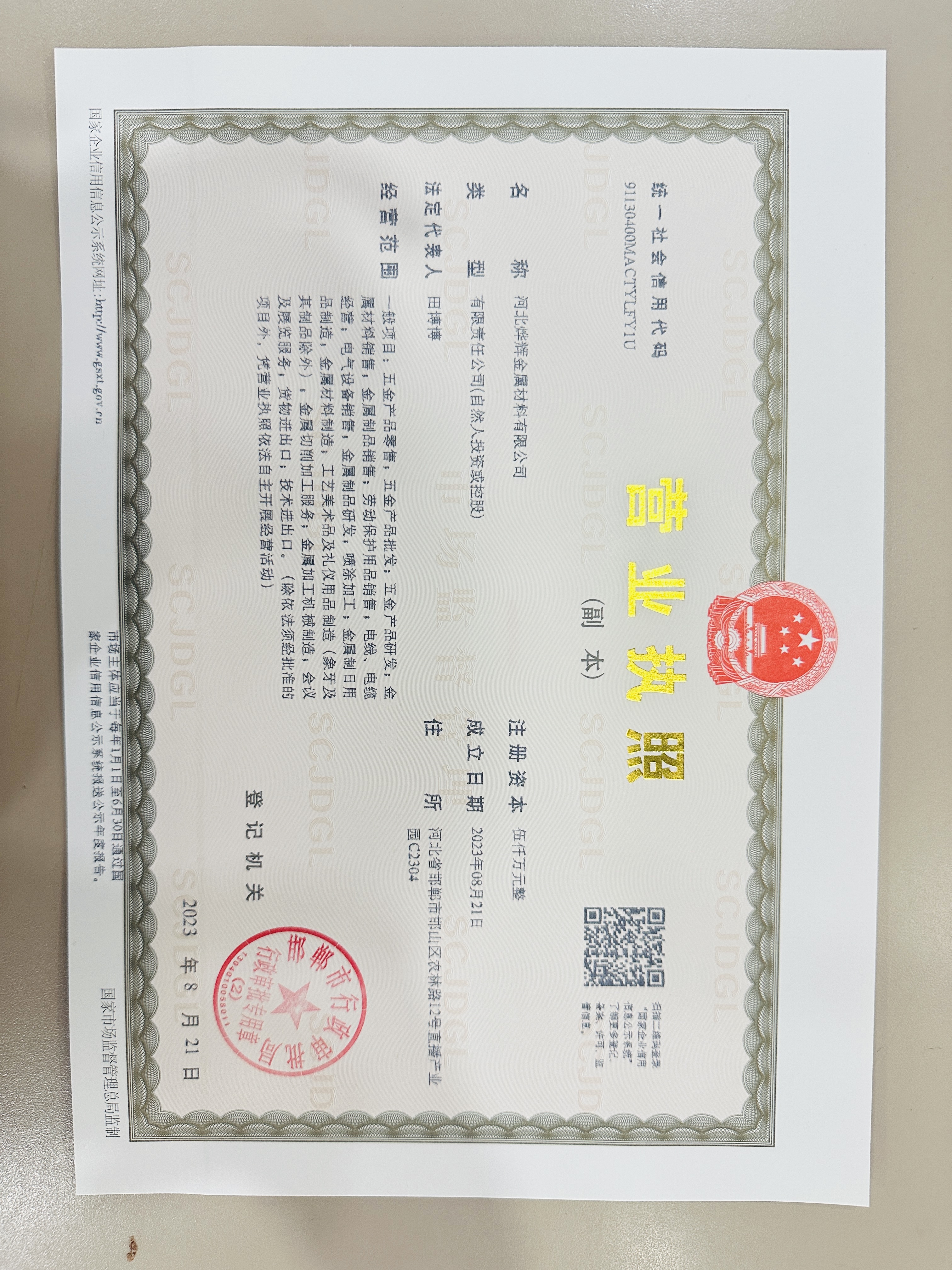
Welcome to HEBEI YEHUI METAL MATERIALS CO., LTD.

Why Choose Electrolytic Tinplate Coil for Your Next Project?
Release time:
2025-12-29 19:30
Why Choose Electrolytic Tinplate Coil for Your Next Project? In the dynamic landscape of manufacturing and materials, selecting the right components for your project can significantly influence the outcome. **Electrolytic tinplate coil** has emerged as a preferred choice in various applications, thanks to its unique properties and versatile uses. This article delves into the intricate details surr

Why Choose Electrolytic Tinplate Coil for Your Next Project?
In the dynamic landscape of manufacturing and materials, selecting the right components for your project can significantly influence the outcome. **Electrolytic tinplate coil** has emerged as a preferred choice in various applications, thanks to its unique properties and versatile uses. This article delves into the intricate details surrounding electrolytic tinplate coils, highlighting their advantages, applications, and why they should be at the forefront of your project considerations.
Understanding Electrolytic Tinplate Coil: An Overview
Electrolytic tinplate coil is produced by electroplating a thin layer of tin onto steel sheets. This process not only enhances the aesthetic appeal but also provides several functional benefits that make it a favorable material for many industries. The resulting product is lightweight, rust-resistant, and possesses excellent formability, making it suitable for a variety of applications.
The Manufacturing Process of Electrolytic Tinplate Coil
The manufacturing of electrolytic tinplate involves several critical steps:
- **Cleaning**: The steel substrate undergoes a thorough cleaning process to remove any contaminants.
- **Electroplating**: The clean steel is submerged in an electrolytic bath where tin is deposited onto the surface. This layer of tin serves as a protective barrier against corrosion.
- **Annealing**: The coated steel is then annealed to improve its mechanical properties and overall performance.
- **Finishing**: Finally, the tinplate coil is cut to size and packaged for distribution.
This meticulous process ensures that the final product maintains a balance of durability and flexibility, making it ideal for various end uses.
Key Properties of Electrolytic Tinplate Coil
1. **Corrosion Resistance**: The tin coating protects the underlying steel from rust and deterioration, extending the lifespan of the product.
2. **Formability**: Electrolytic tinplate can be easily shaped and molded, making it suitable for complex designs.
3. **Lightweight**: Compared to other metal materials, electrolytic tinplate is lightweight, reducing shipping costs and making handling easier.
4. **Aesthetic Appeal**: The shiny, smooth finish of tinplate is visually appealing, which is especially important for consumer products.
Applications of Electrolytic Tinplate Coil
Electrolytic tinplate coil is incredibly versatile, finding applications across multiple industries. Here are some of the most prominent uses:
1. Food and Beverage Packaging
One of the primary uses of electrolytic tinplate is in the packaging of food and beverages. The corrosion resistance of tin ensures that products remain uncontaminated, while the aesthetic appeal attracts consumers. Common applications include:
- **Cans**: From soda to canned vegetables, electrolytic tinplate is the standard material for food and beverage cans.
- **Bottle Caps**: Its lightweight and formable properties make it ideal for bottle caps that need to maintain a tight seal.
2. Automotive Industry
In the automotive sector, electrolytic tinplate is used for various components, including:
- **Fuel Tanks**: The corrosion resistance is crucial for fuel tanks, which are exposed to various harsh environments.
- **Interior Components**: Tinplate is often used in parts that require both durability and an aesthetic finish.
3. Electronics and Electrical Components
Electrolytic tinplate is also employed in the electronics industry, primarily for:
- **Casings**: The material's lightweight nature and formability make it suitable for electronic device casings.
- **Connectors**: Tin's conductivity paired with its corrosion resistance enhances the performance and lifespan of electrical components.
Advantages of Using Electrolytic Tinplate Coil
Choosing electrolytic tinplate coil for your project comes with several key benefits:
1. Increased Product Longevity
The protective tin layer significantly prolongs the life of the base steel, making it resistant to rust and wear. This durability means fewer replacements and lower long-term costs.
2. Cost-Effective Solution
While the initial investment in electrolytic tinplate may be higher than some other materials, its longevity and reduced maintenance needs can lead to substantial cost savings over time.
3. Environmental Benefits
Tin is a naturally occurring material and is highly recyclable. By choosing electrolytic tinplate, you are opting for a more sustainable option that reduces the environmental impact of your project.
How to Choose the Right Electrolytic Tinplate Coil
When considering electrolytic tinplate coil for your project, several factors come into play:
1. Thickness and Weight
Determine the required thickness based on your application. Thicker coils may offer better durability but could increase weight, affecting handling and shipping costs.
2. Surface Finish
Electrolytic tinplate comes in various finishes, from glossy to matte. Select a finish that aligns with your product's aesthetic and functional needs.
3. Compliance and Standards
Ensure that the tinplate coil you choose meets industry standards and regulations, especially in food packaging applications where safety is paramount.
FAQs about Electrolytic Tinplate Coil
1. What is the difference between electrolytic tinplate and regular tinplate?
Electrolytic tinplate is produced through an electroplating process, providing a more uniform and thinner layer of tin compared to regular tinplate, which may have a thicker application that can be less consistent.
2. Is electrolytic tinplate coil food safe?
Yes, electrolytic tinplate coils are widely used in food packaging and are considered safe when manufactured according to food safety standards.
3. Can electrolytic tinplate be painted or coated?
Absolutely! Electrolytic tinplate can be painted or coated to enhance its appearance or performance characteristics, such as improving corrosion resistance.
4. How does electrolytic tinplate compare to aluminum for packaging?
While aluminum is lightweight and has great corrosion resistance, electrolytic tinplate offers better formability and a more appealing finish, making it preferable for certain applications like beverage cans.
5. What are the recycling benefits of electrolytic tinplate?
Electrolytic tinplate is highly recyclable, and recycling it reduces the need for virgin materials, lowering environmental impact and energy consumption.
Conclusion
In conclusion, choosing **electrolytic tinplate coil** for your next project offers a multitude of advantages, from enhanced durability and aesthetic appeal to environmental sustainability. Its versatility across industries, particularly in food packaging, automotive, and electronics, showcases its critical role in modern manufacturing. By understanding the benefits, applications, and considerations for selecting the right electrolytic tinplate coil, you can make informed decisions that will significantly impact your project's success. Embrace the potential of electrolytic tinplate and take your manufacturing endeavors to the next level.
Related News
Understanding PPGI Steel Coil: Key Insights for Professionals
PPGI, or Pre-Painted Galvanized Iron, refers to a type of steel coil that has undergone a process of galvanization followed by a layer of paint. This dual treatment enhances its durability and resistance to corrosion, making it a popular choice in various industrial applications. In the realm of metallurgy and energy, PPGI steel coils stand out due to their versatility and performance characterist
Enhancing Durability with Galvalume Steel Coil: A Comprehensive Guide Table of Contents 1. Introduction to Galvalume Steel Coil 2. What Is Galvalume Steel? 3. Benefits of Using Galvalume Steel Coil 3.1 Excellent Corrosion Resistance 3.2 Exceptional Durability and Longevity 3.3 Superior Thermal Performance 4. Applications of Gal
23QG085 Silicon Steel Improves Energy Efficiency for Modern Transformers and Electrical Equipment
Best 23QG085 Silicon Steel customize with OEM solutions, low core loss, high magnetic permeability, precision processing, and stable quality.
Understanding Galvalume Steel Sheets: A Key Material in the Metallurgical Industry
Galvalume steel sheets are an innovative material that has gained significant traction in the metallurgical and energy sectors due to their exceptional durability and corrosion resistance. Composed of a steel substrate coated with a unique blend of aluminum and zinc, Galvalume offers a multitude of advantages for various applications, making it a preferred choice in construction, roofing, and manu
The Environmental Advantages of Using Galvanized Steel Corrugated Sheets
The Environmental Advantages of Using Galvanized Steel Corrugated Sheets Table of Contents 1. Introduction to Galvanized Steel Corrugated Sheets 2. Understanding the Galvanization Process 2.1 What is Galvanization? 2.2 The Role of Zinc Coating in Sustainability 3. Environmental Benefits of Galvanized Steel 3.1 Durability and Longevity 3.2 Recyclability of Galvanized Steel 3.3 Energy Efficiency in
Understanding Galvanized Steel Coil: Properties, Applications, and Benefits
Galvanized steel coil is a vital material widely used in various industries, particularly in construction, automotive, and manufacturing sectors. The term "galvanized" refers to the process of applying a protective zinc coating to steel or iron to prevent rusting and corrosion. This corrosion resistance is one of the primary reasons for the material's popularity, as it significantly extends the li
10% DISCOUNT FOR NEW CUSTOMERS
HEBEI YEHUI METAL MATERIALS CO., LTD.


Copyright © HEBEI YEHUI METAL MATERIALS CO., LTD.